

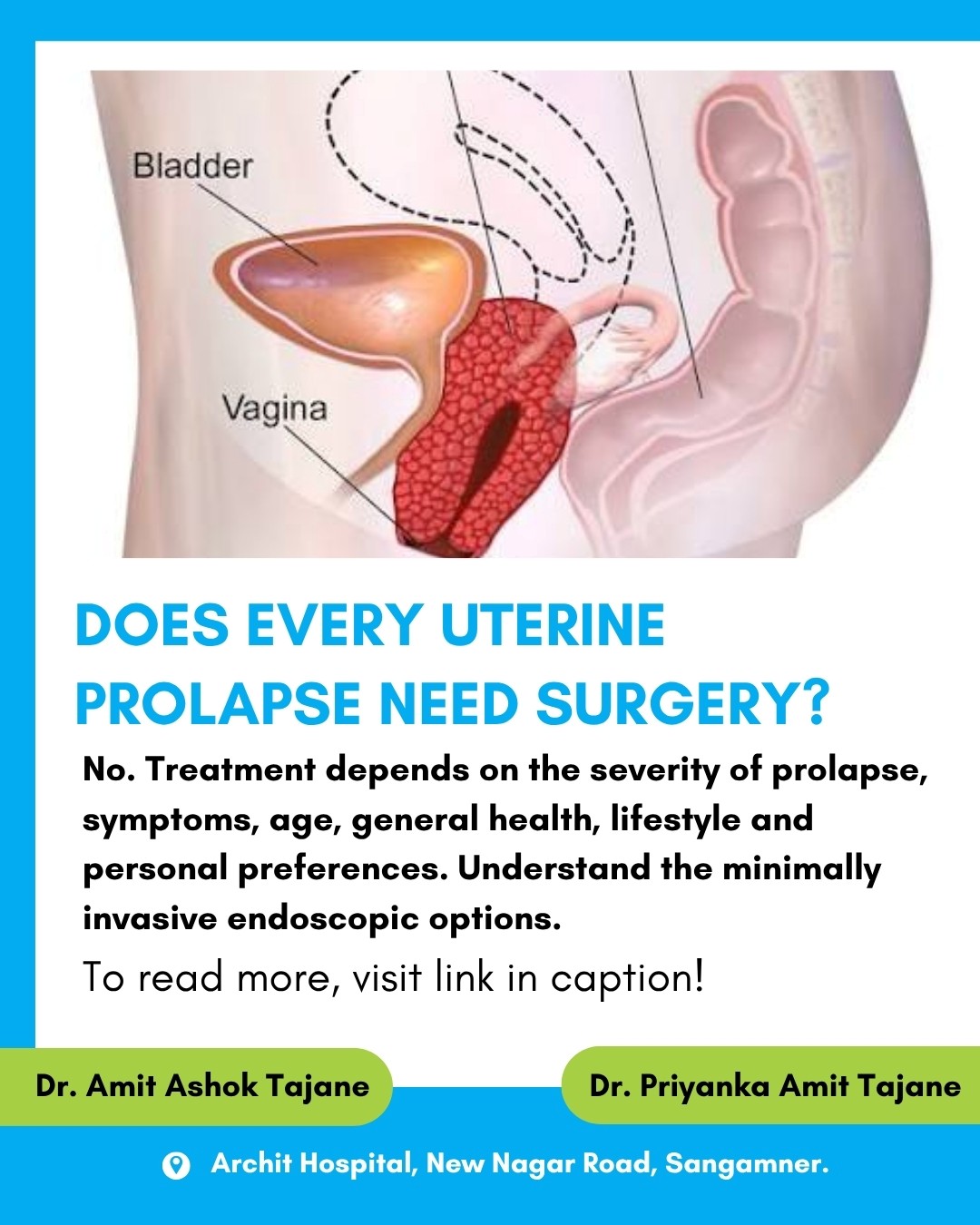
Uterine prolapse is a condition in which the uterus moves downward from its normal position into the vagina because the muscles, ligaments and connective tissues supporting the pelvic organs become weak. In advanced cases, the uterus may protrude through the vaginal opening.
Uterine prolapse can affect women after childbirth, particularly after multiple vaginal deliveries, as well as women after menopause. While mild prolapse may not require surgery, moderate to severe or symptomatic prolapse may need specialised treatment.
For women looking for uterine prolapse treatment in Sangamner, Nashik or Ahilyanagar, timely evaluation by an experienced gynaecologist can help determine the most appropriate treatment.
Uterine prolapse usually develops due to weakening or stretching of the pelvic floor and supporting tissues. Common risk factors include:
- Pregnancy and Vaginal Delivery
Pregnancy and childbirth can stretch and weaken the pelvic floor. Multiple vaginal deliveries may increase the risk of pelvic organ prolapse.
- Ageing and Menopause
With increasing age, pelvic tissues may become weaker. Reduced oestrogen levels after menopause can also affect the strength and elasticity of supporting tissues.
- Chronic Constipation
Repeated straining during bowel movements increases pressure on the pelvic floor and may contribute to prolapse.
- Chronic Cough
Long-term coughing repeatedly increases abdominal pressure and can place additional stress on pelvic support structures.
- Heavy Lifting
Frequent heavy lifting or strenuous physical activity can increase pressure on the pelvic floor.
- Increased Body Weight
Excess abdominal pressure associated with overweight or obesity may contribute to pelvic organ prolapse.
- Previous Pelvic Surgery or Weak Connective Tissue
Some women may have naturally weaker connective tissues, while previous pelvic surgery may also influence pelvic organ support.
Symptoms vary depending on the severity of prolapse. Some women have no symptoms, while others experience significant discomfort.
Common symptoms include:
- Feeling of heaviness or pressure in the pelvis
- Sensation of something coming down or out of the vagina
- A vaginal bulge that can be felt or seen
- Lower back or pelvic discomfort
- Difficulty emptying the bladder
- Urinary leakage or increased urinary frequency
- Constipation or difficulty passing stools
- Feeling of incomplete bowel emptying
- Discomfort during sexual intercourse
- Difficulty walking, exercising or standing for long periods
- Tissue protruding outside the vaginal opening in advanced cases
Symptoms may become more noticeable after prolonged standing, walking, lifting or physical activity and may improve while lying down.
Consult a gynaecologist if you notice:
- A bulge coming out of the vagina
- A feeling that something is falling or coming down
- Persistent pelvic pressure or heaviness
- New urinary leakage
- Difficulty passing urine or completely emptying the bladder
- Difficulty passing stools
- Progressive worsening of symptoms
A vaginal bulge does not always mean that only the uterus is prolapsed. The bladder, rectum or other pelvic organs may also be involved. A proper pelvic examination is therefore important.
Diagnosis usually involves a detailed medical history and pelvic examination.
Your doctor may ask about:
- Previous pregnancies and deliveries
- Menopause
- Urinary and bowel symptoms
- Previous pelvic surgeries
- Chronic constipation or cough
- The duration and progression of symptoms
During examination, the doctor assesses the position of the uterus and other pelvic organs and determines the severity of prolapse.
Additional tests may be recommended if urinary symptoms or other pelvic conditions are present.
No.
Treatment depends on the severity of prolapse, symptoms, age, general health, lifestyle and personal preferences.
For mild or minimally symptomatic prolapse, treatment may include:
- Pelvic floor muscle exercises
- Lifestyle modifications
- Treatment of constipation or chronic cough
- Weight management where appropriate
- Vaginal pessary
- Regular monitoring
Surgery may be recommended when prolapse is advanced, symptoms significantly affect daily life, or non-surgical treatment does not provide adequate relief.
Modern minimally invasive gynaecological surgery provides several options for appropriately selected women with uterine prolapse.
Laparoscopic surgery is performed through small abdominal incisions using a camera and specialised instruments.
One important uterus-preserving procedure is laparoscopic sacrohysteropexy.
Laparoscopic sacrohysteropexy is a reconstructive procedure designed to restore support to a prolapsed uterus while preserving the uterus in selected patients.
The uterus is repositioned and supported using a suspension technique, with surgical mesh used in appropriate cases. The procedure is performed laparoscopically through small incisions.
Uterus-preserving surgery may be considered for women who wish to retain their uterus and are clinically suitable for this approach.
The choice of procedure depends on the type and severity of prolapse and the patient’s individual circumstances.
For women who have completed their family and do not wish to preserve the uterus, hysterectomy may be considered.
When appropriate, hysterectomy can be performed laparoscopically. However, prolapse treatment is not simply about removing the uterus. The remaining pelvic support structures also need to be addressed to provide appropriate support after surgery.
The surgical plan is therefore based on the complete pelvic organ prolapse assessment.
Yes.
Uterine prolapse can occur together with other forms of pelvic organ prolapse, including:
- Cystocele – bladder bulging into the vaginal wall
- Rectocele – rectum bulging into the vaginal wall
- Vaginal vault prolapse
- Enterocele – small intestine bulging into the pelvic area
If multiple pelvic organs are affected, the surgical plan may need to address more than one area.
When laparoscopic surgery is appropriate, potential benefits may include:
- Smaller incisions
- Less abdominal wall trauma compared with open surgery
- Reduced postoperative discomfort in many patients
- Earlier mobilisation
- Faster recovery compared with some open procedures
- Magnified visualisation of pelvic anatomy
However, laparoscopic surgery is not suitable for every patient. The recommended procedure depends on the patient’s anatomy, health, severity of prolapse and previous surgeries.
In selected women, uterus-preserving prolapse surgery may be possible.
Laparoscopic sacrohysteropexy is one option that may allow the uterus to be retained while restoring pelvic support.
The decision depends on the patient’s medical condition, prolapse pattern, reproductive plans and personal preference.
Prolapse surgery can provide significant improvement, but recurrence is possible.
The risk may depend on factors such as the severity of prolapse, tissue strength, age, body weight, previous surgery and ongoing pelvic floor stress.
Maintaining a healthy weight, avoiding unnecessary straining and treating chronic constipation or cough can support long-term pelvic floor health.
Women from Sangamner, Nashik, Ahilyanagar and nearby areas can seek evaluation for symptoms of uterine or pelvic organ prolapse.
At Archit Hospital, Sangamner, Dr. Amit Tajane provides gynaecological consultation and treatment for various women’s health conditions, including prolapse-related problems.
If you are searching for:
- Uterine prolapse treatment in Sangamner
- Prolapse surgery in Sangamner
- Laparoscopic prolapse surgery in Sangamner
- Uterine prolapse doctor in Sangamner
- Laparoscopic gynaecologist in Sangamner
- Uterine prolapse treatment in Nashik
- Uterine prolapse treatment in Ahilyanagar
- Pelvic organ prolapse treatment near Sangamner
a clinical evaluation can help identify the severity of prolapse and determine the most suitable treatment.
Do not wait until the uterus completely comes outside the vagina.
Consult a gynaecologist if you experience a vaginal bulge, pelvic heaviness, urinary difficulties, bowel problems or a persistent sensation of something coming down.
Early evaluation can help identify the condition and provide appropriate treatment options before symptoms become more disruptive.
Conclusion
Uterine prolapse occurs when the tissues supporting the uterus and pelvic organs become weak. Pregnancy, vaginal childbirth, ageing, menopause, chronic constipation, chronic cough and repeated heavy lifting can contribute to the condition.
Treatment ranges from pelvic floor exercises and pessaries to surgical correction. For appropriately selected women, laparoscopic procedures such as sacrohysteropexy can provide a uterus-preserving treatment option, while laparoscopic hysterectomy may be considered when removal of the uterus is appropriate.
If you have symptoms of uterine prolapse, consult Dr. Amit Tajane at Archit Hospital, Sangamner, for an evaluation and personalised treatment plan.
Address
1st floor, Madhukunj Complex,
Link Road, New, Navin Nagar Rd,
Sangamner, Maharashtra 422605
dr.tajaneamit@gmail.com
Phone Number
+91-8668617773
Meet the Doctors
Empowering Women's Health with Expert Care

Laparoscopic Gynecologist & Fertility Expert
MBBS, DGO (Obs & Gyne)
Fellowship in Assisted Reproductive Treatments (Israel)
Fellowship in Gynecologic Endoscopy (Germany)

Clinical Embryologist
Our Achievements
Laparoscopic Surgeries
Years of Experience
Babies Delivered
नवीन जीवनाची सुरुवात...
Our Services
Comprehensive health care for women of all age group
Maternity Care
Providing comprehensive and nurturing care throughout your pregnancy journey.
Gynecologic Treatments
Expert care for all gynecological issues, tailored to women of all ages.
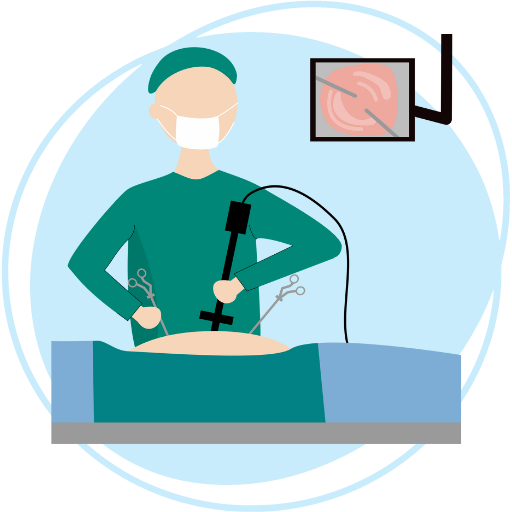
Laparoscopic Surgeries
Advanced minimally invasive surgeries for precise and effective treatment.
Infertility Diagnosis
Thorough and compassionate diagnosis to help you on your path to parenthood.