

Ovarian Cyst Management
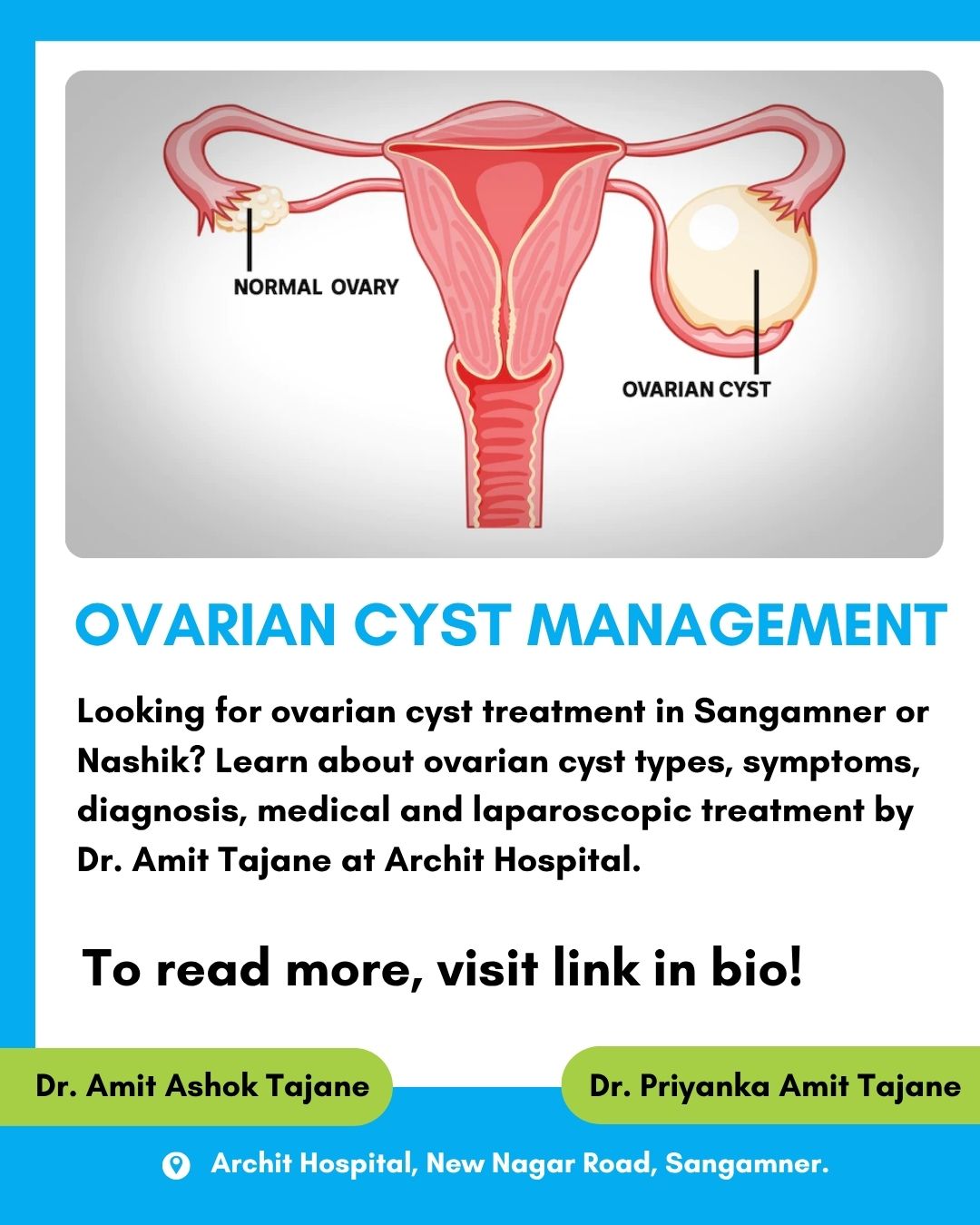
An ovarian cyst is a fluid-filled sac that develops inside or on the surface of an ovary. Most ovarian cysts are harmless and disappear naturally within a few months. However, some cysts can become large, painful, affect fertility, or indicate underlying conditions such as endometriosis or ovarian tumors.
At Archit Hospital, Sangamner, Dr. Amit Tajane offers comprehensive diagnosis and advanced treatment for all types of ovarian cysts using evidence-based medical management and minimally invasive laparoscopic surgery. Women from Sangamner, Nashik, Ahmednagar, Sinnar, Shirdi, Kopargaon, Akole, Rahata, and surrounding regions visit Archit Hospital for expert gynecological care.
Whether you have been diagnosed with an ovarian cyst during a routine ultrasound or are experiencing pelvic pain, irregular periods, or infertility, timely evaluation is essential.
What is an Ovarian Cyst?
The ovaries are two small organs located on either side of the uterus that produce eggs and female hormones.
Sometimes, a fluid-filled sac develops within or on the ovary. This is known as an ovarian cyst.
Most ovarian cysts are benign (non-cancerous), but some require treatment depending on their size, symptoms, and ultrasound findings.
Types of Ovarian Cysts
- Functional Ovarian Cysts
These are the most common and develop during the normal menstrual cycle.
They include:
Follicular Cyst
Occurs when the follicle does not release the egg.
Corpus Luteum Cyst
Develops after ovulation when the follicle fills with fluid.
Most disappear naturally within 6–8 weeks.
- Chocolate Cyst (Endometrioma)
These cysts occur due to endometriosis.
Features include:
- Severe menstrual pain
- Pain during intercourse
- Chronic pelvic pain
- Difficulty conceiving
- May reduce ovarian reserve
These often require specialist management.
- Dermoid Cyst
Also known as mature cystic teratoma.
These cysts may contain:
- Hair
- Fat
- Skin tissue
- Teeth
Although benign, they usually require surgical removal.
- Hemorrhagic Cyst
Occurs when bleeding develops inside a functional cyst.
Symptoms include:
- Sudden pelvic pain
- Severe lower abdominal pain
- Internal bleeding in some cases
- Cystadenoma
Develops from ovarian tissue and may become quite large.
Often requires surgery due to increasing size and pressure symptoms.
- Polycystic Ovaries (PCOS)
PCOS is different from an ovarian cyst.
Women with PCOS develop multiple tiny follicles due to hormonal imbalance rather than true ovarian cysts.
Causes of Ovarian Cysts
Several factors can contribute to ovarian cyst formation:
- Ovulation
- Hormonal imbalance
- Pregnancy
- Endometriosis
- PCOS
- Previous ovarian cysts
- Pelvic infections
- Fertility medications
Symptoms of Ovarian Cysts
Many ovarian cysts produce no symptoms.
However, larger cysts may cause:
- Lower abdominal pain
- Pelvic pain
- Irregular menstrual cycles
- Pain during intercourse
- Pain during exercise
- Abdominal bloating
- Feeling of heaviness
- Frequent urination
- Constipation
- Difficulty conceiving
- Sudden severe pain due to cyst rupture
When Should You Consult a Gynecologist?
Consult immediately if you experience:
- Persistent pelvic pain
- Recurrent abdominal pain
- Sudden severe pain
- Large ovarian cyst on ultrasound
- Irregular bleeding
- Pain during periods
- Difficulty getting pregnant
- Family history of ovarian cancer
- Rapidly increasing abdominal swelling
Diagnosis of Ovarian Cysts
At Archit Hospital, diagnosis includes:
Clinical Examination
Detailed gynecological evaluation.
Ultrasound Scan
The primary investigation to determine:
- Size
- Type
- Internal appearance
- Blood flow
- Complexity
Blood Tests
May include:
- CA-125 (when indicated)
- Hormonal profile
- Pregnancy test
- CBC
MRI or CT Scan
Recommended in selected complex cases.
Non-Surgical Treatment for Ovarian Cysts
Many ovarian cysts do not require surgery.
Treatment depends on:
- Age
- Symptoms
- Cyst size
- Ultrasound findings
- Menopausal status
Observation
Small simple cysts are monitored with repeat ultrasound after 6–8 weeks.
Pain Management
Pain-relieving medications help control symptoms.
Hormonal Therapy
Birth control pills may reduce the formation of new functional cysts in selected women.
Lifestyle Modifications
Maintaining healthy body weight
Regular exercise
Balanced diet
Hormonal management
Treatment of Underlying Disease
If the cyst is caused by:
- Endometriosis
- PCOS
- Hormonal disorders
specific treatment is started.
Surgery may be recommended if:
- Cyst larger than 5–7 cm
- Persistent cyst after observation
- Severe pain
- Rapidly increasing size
- Suspicion of cancer
- Recurrent hemorrhagic cyst
- Dermoid cyst
- Chocolate cyst causing infertility
- Ovarian torsion
- Ruptured ovarian cyst with internal bleeding
Laparoscopic Surgery for Ovarian Cysts
At Archit Hospital, Dr. Amit Tajane specializes in advanced laparoscopic gynecological surgery.
Laparoscopic ovarian cyst surgery is performed using tiny keyhole incisions instead of a large abdominal cut.
Benefits of Laparoscopic Surgery
- Smaller incisions
- Minimal blood loss
- Less pain
- Shorter hospital stay
- Faster recovery
- Lower infection risk
- Better cosmetic results
- Early return to work
- Better fertility preservation
When is Laparoscopic Surgery Recommended?
Laparoscopy is commonly recommended for:
- Chocolate cysts
- Dermoid cysts
- Persistent ovarian cysts
- Large cysts
- Recurrent cysts
- Ovarian torsion
- Infertility associated with ovarian cysts
- Complex benign ovarian cysts
Whenever safely possible, laparoscopic surgery is preferred over open surgery because of quicker recovery and reduced postoperative discomfort.
Fertility and Ovarian Cysts
Many women worry that ovarian cysts will affect fertility.
The impact depends on the type of cyst.
Functional cysts generally do not affect fertility.
However, chocolate cysts associated with endometriosis may reduce ovarian reserve and interfere with conception.
Timely evaluation and fertility-preserving laparoscopic surgery can improve reproductive outcomes in selected women.
Recovery After Laparoscopic Surgery
Most patients:
- Walk within a few hours
- Go home within 24–48 hours
- Resume office work within one week
- Return to normal activities in 2–3 weeks
Recovery varies depending on the size and complexity of the cyst.
Ovarian cysts are common and often harmless, but some require prompt treatment to prevent complications such as severe pain, ovarian torsion, infertility, or rupture. Early diagnosis through ultrasound and specialist consultation helps determine the most appropriate treatment. While many cysts can be managed with observation or medication, laparoscopic surgery offers a safe, minimally invasive solution for persistent, symptomatic, or complex ovarian cysts. At Archit Hospital, Sangamner, Dr. Amit Tajane provides advanced diagnosis, medical management, and laparoscopic treatment tailored to each woman’s needs, helping patients recover quickly while preserving reproductive health whenever possible.
Frequently Asked Questions (FAQs)
Can ovarian cysts disappear without treatment?
Yes. Most functional ovarian cysts disappear naturally within a few menstrual cycles.
Is every ovarian cyst dangerous?
No. The majority are benign and do not require surgery.
Can ovarian cysts cause infertility?
Some types, especially endometriomas (chocolate cysts), may affect fertility if left untreated.
Is laparoscopic surgery painful?
Laparoscopic surgery causes significantly less pain than open surgery and allows faster recovery.
How long does laparoscopic ovarian cyst surgery take?
Most procedures take between 45 and 90 minutes, depending on the size and complexity of the cyst.
Will my ovary be removed?
In most benign cases, only the cyst is removed while preserving healthy ovarian tissue.
Can ovarian cysts recur?
Yes. Some cysts, especially those related to endometriosis or hormonal imbalance, can recur.
Is surgery always necessary for a 5 cm ovarian cyst?
Not always. The decision depends on symptoms, ultrasound characteristics, age, and whether the cyst is changing over time.
Can unmarried women undergo laparoscopic ovarian cyst surgery?
Yes. The surgery is suitable for women of all ages when medically indicated.
How soon can I return to work?
Most women return to desk work within one week after laparoscopic surgery.
Address
1st floor, Madhukunj Complex,
Link Road, New, Navin Nagar Rd,
Sangamner, Maharashtra 422605
dr.tajaneamit@gmail.com
Phone Number
+91-8668617773
Meet the Doctors
Empowering Women's Health with Expert Care

Laparoscopic Gynecologist & Fertility Expert
MBBS, DGO (Obs & Gyne)
Fellowship in Assisted Reproductive Treatments (Israel)
Fellowship in Gynecologic Endoscopy (Germany)

Clinical Embryologist
Our Achievements
Laparoscopic Surgeries
Years of Experience
Babies Delivered
नवीन जीवनाची सुरुवात...
Our Services
Comprehensive health care for women of all age group

Maternity Care
Providing comprehensive and nurturing care throughout your pregnancy journey.

Gynecologic Treatments
Expert care for all gynecological issues, tailored to women of all ages.
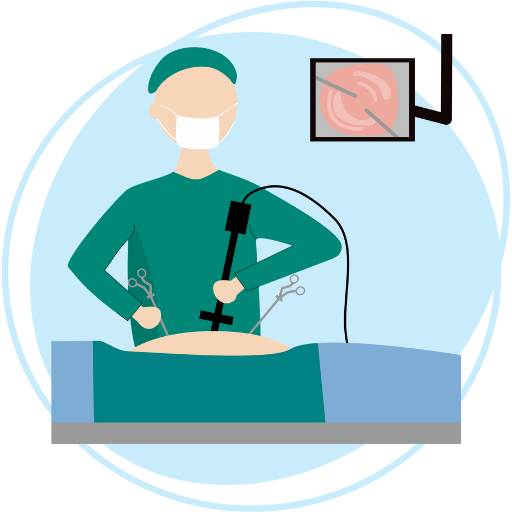
Laparoscopic Surgeries
Advanced minimally invasive surgeries for precise and effective treatment.
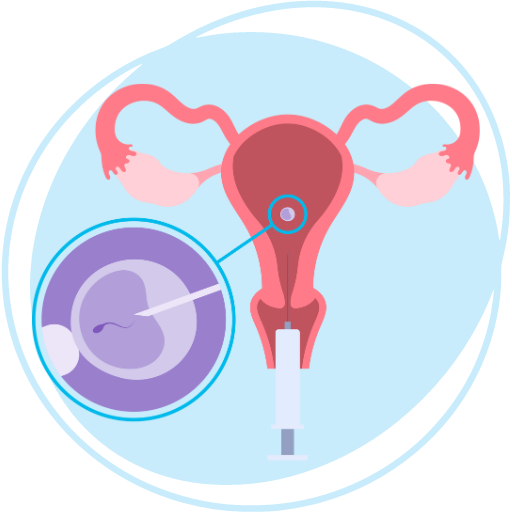
Infertility Diagnosis
Thorough and compassionate diagnosis to help you on your path to parenthood.